Last weekend, I had an experience that changed my perspective on first-aid refresher courses. While out on a Saturday morning, I found myself in a situation where someone needed urgent help. And by “found myself,” I mean an incident happened five meters in front of me, and – ready or not – I was the first person on the scene.
The situation, while serious, thankfully didn’t require CPR. What stood out to me wasn’t just the event itself but what it revealed about my actual first-aid skills.
For instance, it turns out that placing a cooperative colleague into the recovery position during a training session is much easier than manoeuvring a disoriented stranger. My first attempt was embarrassingly clumsy, and I was grateful when two other passers-by arrived to assist. As I walked home, I replayed the whole scene in my mind. Did I stay calm? Yes. Did I get squeamish at the sight of blood? Surprisingly, no. Did I nail the practical skills? Let’s just say there’s plenty of room for improvement. But did I take charge and direct others well? Absolutely – turns out classroom management skills transfer nicely to real life.
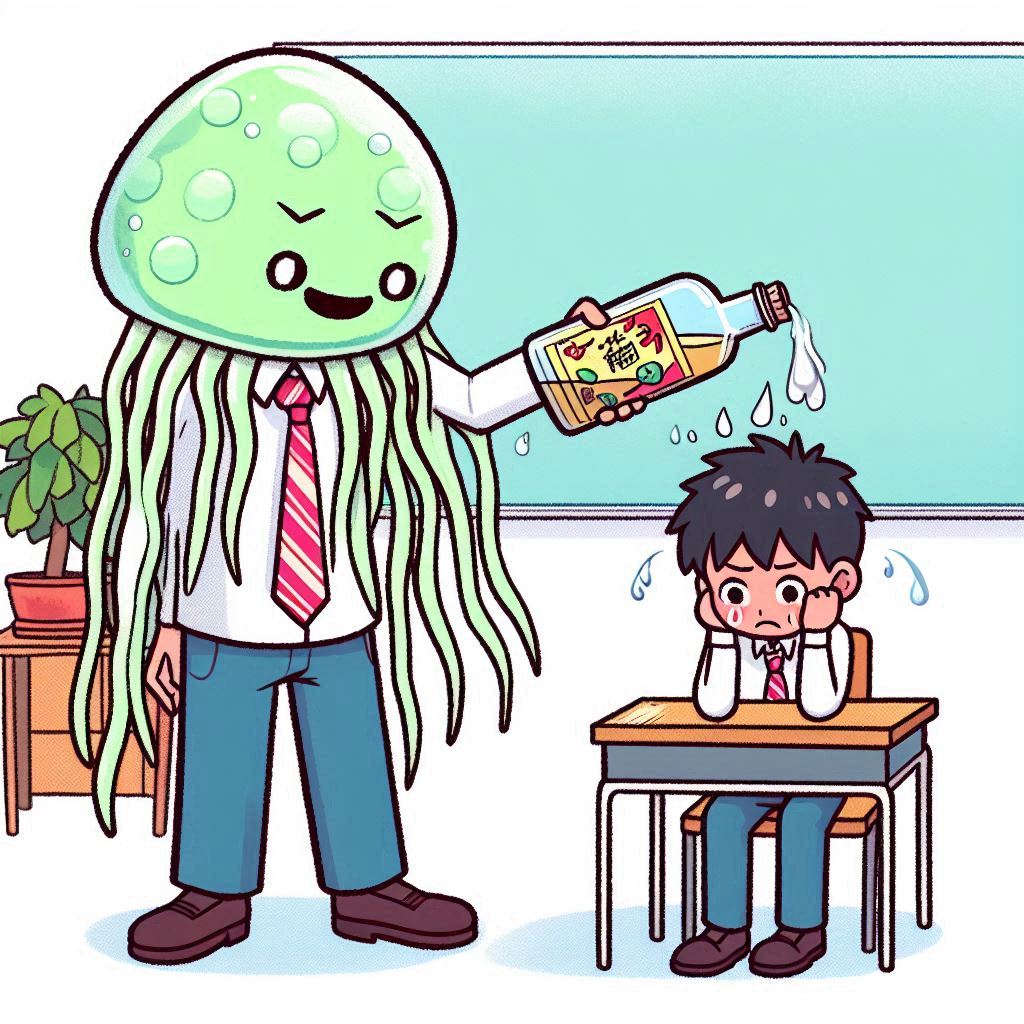
I’ve sat through many first-aid courses over the years. Enough to feel like I have a solid handle on the basics. I’ve kept up with every additional letter in the first-aid acronym (what was once ABC is now DRS ABCD) and have permanently lodged the tempo of Stayin’ Alive in my brain for CPR. But even so, some parts of training feel more relevant than others. If I ever find myself dealing with a box jellyfish sting, I’ll be grateful to remember that vinegar is the go-to remedy. But in the meantime, I tend to tune out those less applicable details.
That moment of detachment – the “when will I ever use this?” feeling – is something I recognize not just in first-aid training but in education more broadly. It’s the same challenge students face when trying to connect with calculus, ancient history, or the finer points of chemical equations. Sometimes, like me with first aid, they won’t realize the importance of what they’ve learned until the moment comes when they actually need it.
And it’s not just academic lessons. As parents, teachers, or mentors, we’ve all had those moments – teaching table manners, gratitude, resilience – only to be met with blank stares or dramatic eye-rolls. We wonder if any of it is actually sinking in. Yet when kindness is needed or perseverance is tested, we hope they’ll draw on what they’ve absorbed, even if it didn’t seem relevant at the time.
The same is true for life’s deeper questions. Conversations about purpose, hope, and faith often take a backseat to the more immediate concerns of daily life – like racing to the canteen before the best snacks sell out. That doesn’t mean young people never think about the bigger questions, just that they don’t always explore them in structured settings.
But just as it’s useful to learn first-aid skills in a safe and controlled environment before facing a real emergency, it’s valuable to explore questions of meaning, belief, and identity in a thoughtful, reflective space. We don’t always know when those moments of crisis will come – the ones that shake a person to their core. But when they do, the lessons they’ve absorbed, even subconsciously, can be what steadies them.
Our job isn’t to predict every challenge they’ll face. It’s to help them build a foundation they can draw on when the time comes. And when that moment arrives – when they experience loss, wrestle with doubt, or face a challenge to their integrity – we can stand beside them, not with easy answers, but with the reassurance that they already have the tools they need.
As Deuteronomy puts it: “Keep these words in your heart… Teach them to your children. Talk about them when you sit in your house and when you walk on the road, when you lie down and when you get up.”
Because whether it’s first aid or faith, the things we’ve internalised along the way are what will guide us when we need them most.



 The Lowe-Down
Leave a comment