
“That sounds like a you problem.”
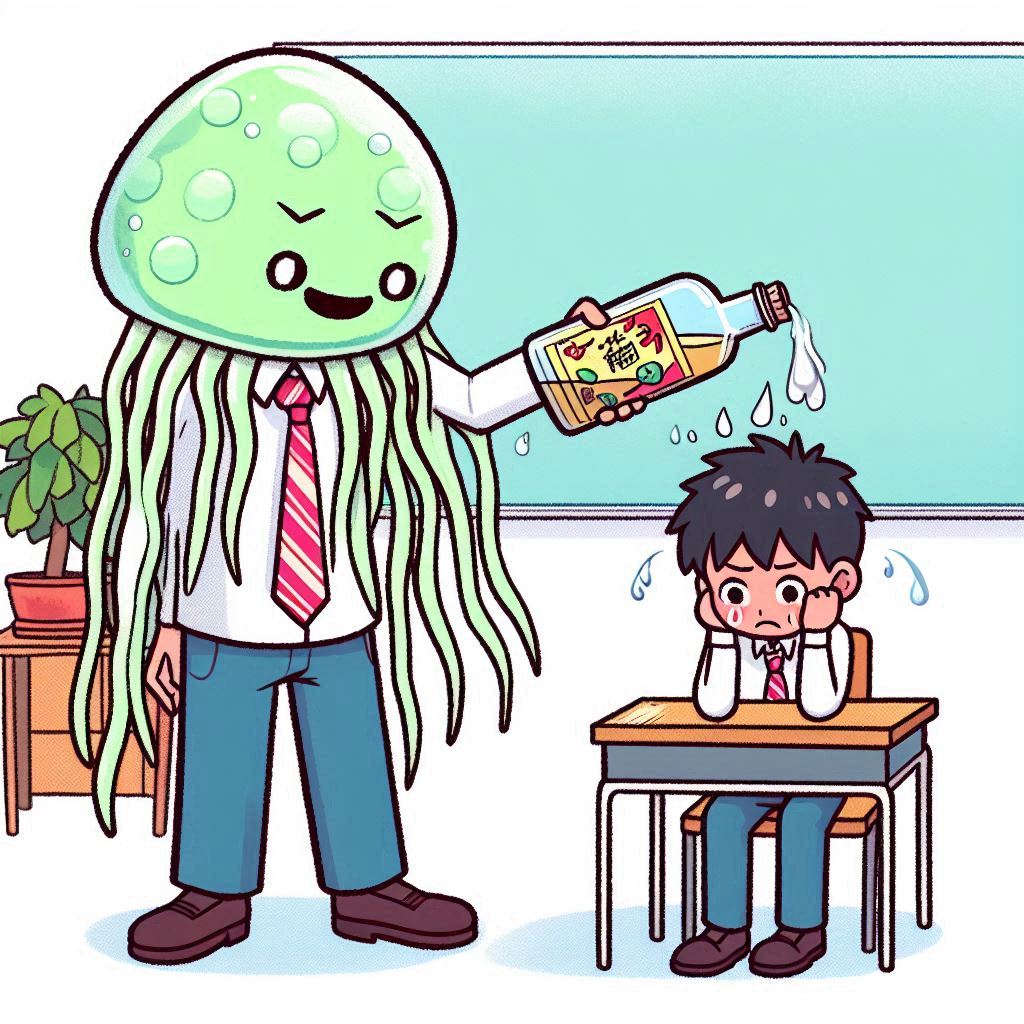
There is an insidious allure to this expression – one which I admit to falling for on more than one occasion. Teaching young people to recognise and take ownership of their actions and choices, to take personal responsibility, is part of my gig as a chaplain and educator. On a bad day, there is a great temptation to respond to another round of excuses for poor choices with a dismissive “you problem” quip. After all, isn’t that what we want? For young people to take responsibility for their own actions? But maybe it isn’t so simple. The idea of personal responsibility, like a well-worn scarf, has been passed down through generations, its threads interwoven with countless cultural and ideological knots. We proudly proclaim, “You do you!” while simultaneously enforcing unspoken codes of conduct, leaving young people caught in a complex and confusing dance between self-expression and social compliance. And its not like we apply the idea of personal responsibility consistently as a broader society. For some issues, personal responsibility has been deemed inadequate – which is why seatbelts and bike helmets are now legally mandated in Australia. For other issues, personal responsibility exists but only in the context of significant restrictive legislation – take smoking or alcohol consumption for example.
So, when is it ok for you to “do you”?
When, if ever, is something a “you problem”?
Can we ever really take full personal responsibility?
To begin answering these questions we need to examine the concept’s history, it’s surprising and controversial use by industries like tobacco and sugar, and how it translates into the confusing reality of a young person’s world.
First, a dive into the history. “Personal responsibility” isn’t a fixed monolith. It emerged in the 17th century alongside the rise of individualism, gaining traction with thinkers like Locke and Adam Smith. However, its use became particularly loaded in the 20th century. The tobacco industry, facing mounting health concerns, wielded it like a shield, shifting blame from addictive cigarettes to smokers’ choices. Later, fossil fuels and sugar followed suit, deflecting environmental and health consequences onto individual consumption patterns.
But is responsibility truly that simple? We often forget the crucial foundation beneath our choices: knowledge, access, and affordability. Can a child living in a food desert be solely responsible for their diet? Can a young woman in a hyper-sexualized culture truly control how her clothing is perceived?
The Apostle Paul, in Romans 7:15-20, beautifully captures this internal struggle. He describes the “inner conflict” between wanting to do what is good and succumbing to “sinful desires.” This innate human duality challenges the image of the fully autonomous, responsible individual. “You do you” isn’t such a great option when “you” are a flawed human being.
No wonder our young people are confused. We are setting them up to fail! The “you do you” mantra, while superficially empowering, fails to acknowledge both the imperfections of our own decision-making and the invisible fences of cultural expectations. A young woman harassed for “provocative” clothing (a subjective term, at best) faces a chilling double bind: blamed for attracting unwanted attention yet denied ownership of her body and its representation. Similarly, the “vape epidemic” raises questions about access and marketing tactics targeting teenagers. Can we truly call it a free choice when the deck is stacked against them?
This is where a Christian perspective offers a nuanced view. Yes, individual freedom and responsibility are valuable. But recognizing our inherent flawed nature, our “sinful desires,” reminds us that even our best intentions can falter. This vulnerability becomes not a source of shame, but a call for grace, for recognizing that true freedom lies not in self-sufficiency, but in seeking a higher power for support and forgiveness. A Christian perspective also makes room for a corporate, community response to responsibility while still valuing the individual.
Ultimately, navigating the labyrinth of personal responsibility requires acknowledging its complexities. It’s a conversation, not a verdict. It’s about understanding the external forces shaping our choices, the limitations of our free will, and the need for both individual accountability and collective support. Perhaps, then, we can create a world where “you do you” doesn’t exist in a vacuum, but within a web of compassion, awareness, and shared responsibility. And perhaps I need to remember that even when it sounds like a “you” problem, it is probably more of an “us” problem and that, hopefully, will shape a far better response from me.





 The Lowe-Down
Leave a comment